Data strategy and architecture
Define target-state platforms, domains, ownership, integration patterns, and an achievable modernization sequence.

We connect data from different systems, clean it up, and make it easier to use for reporting, automation, and AI.
Contact usDisconnected systems, inconsistent definitions, brittle pipelines, unclear ownership, and hidden transformations make every downstream dashboard and AI initiative harder to trust.
Tekrra1 improves the complete path from source and ingestion through transformation, quality, governance, modeling, and consumption.

The right scope focuses on a defined business change, not a long list of technology features.
Define target-state platforms, domains, ownership, integration patterns, and an achievable modernization sequence.
Connect operational systems, APIs, files, cloud services, and external sources through maintainable pipelines.
Design lakehouse, warehouse, engineering, analytics, and governance patterns within the Microsoft ecosystem.
Establish profiling, validation, reconciliation, monitoring, and exception management.
Clarify definitions, stewardship, lineage, access, privacy, retention, and change control.
Prepare trusted, permission-aware, well-described information for retrieval, models, and automation.
Technical decisions stay connected to users, controls, ownership, and adoption throughout the work.
Inventory sources, consumers, pain points, ownership, and current data movement.
Define layers, models, integration, security, quality, and operating responsibilities.
Deliver useful domains and consumption paths without waiting for a perfect enterprise end state.
Monitor health, onboard new sources, manage definitions, and improve reuse over time.
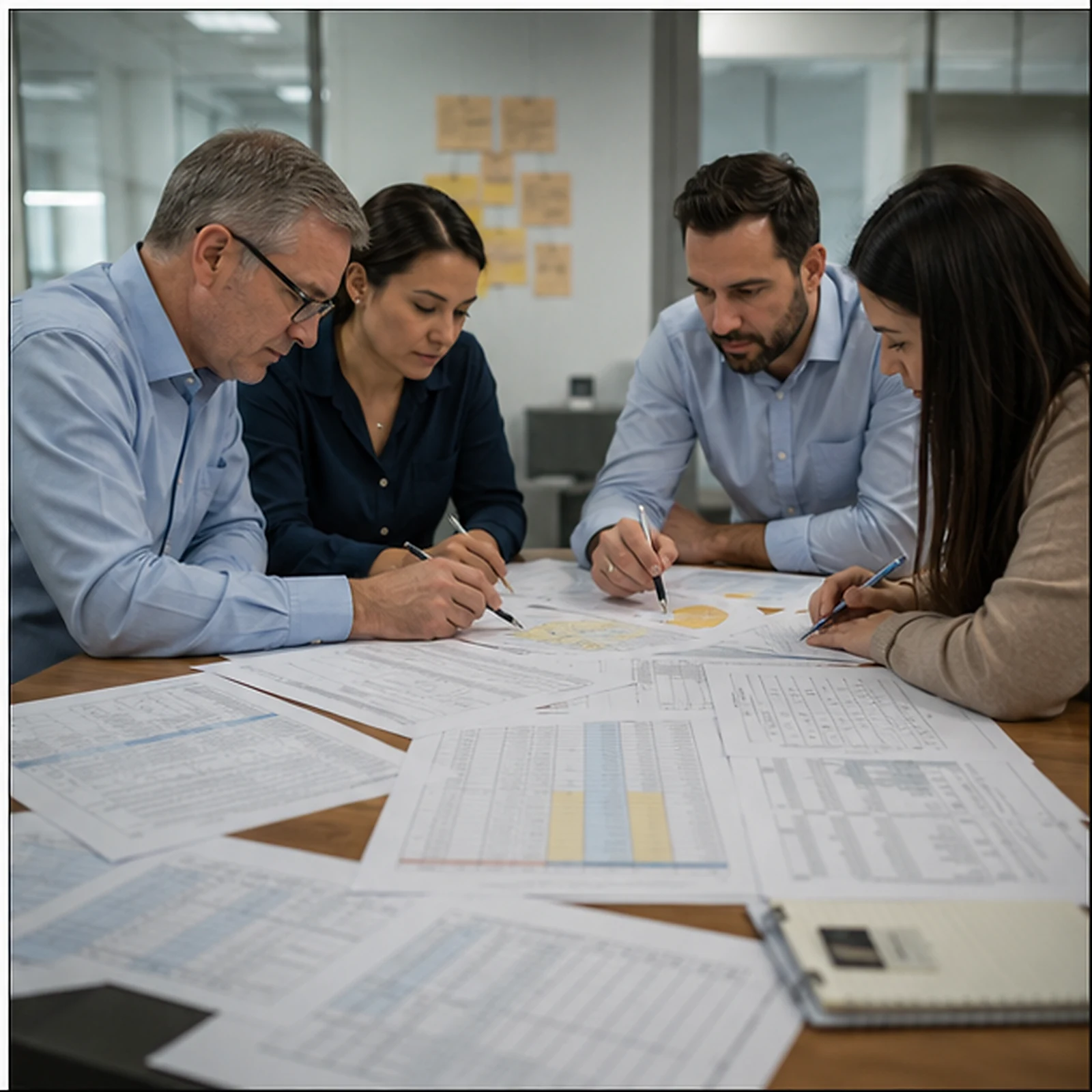
Situation: Finance, operations, and leadership used different extracts and business rules, so report production began with repeated debate about the numbers.
Solution: A layered data foundation connected source systems, standardized core definitions, introduced quality checks, and provided reusable governed models for reporting.
Qualitative outcome: Reporting discussions shifted toward business performance, teams spent less effort rebuilding the same logic, and the organization gained a stronger base for future analytics.
See more examplesCreate the reliable data layer that reporting, operations, and AI can share.
Discuss your Data Intelligence priority